NIH Stroke Scale Calculator
The NIH stroke scale calculator (NIHSS calculator) helps to objectively assess the impairment caused by a stroke. It consists of 11 sections, where each item can be scored with three to five grades. The NIH stroke scale design is simple, and this tool is considered valid and reliable. It can be routinely administered at the bedside by physicians, nurses, and/or therapists.
You might also be interested in our other health tools. Check out the SOFA score calcuator, HEART score calculator, or Branden score calculator calculators.
We try our best to make our s as precise and reliable as possible. However, this tool can never replace professional medical advice.
What is a stroke?
Stroke is the fifth leading cause of death in the US and is a significant cause of severe disability for adults. This condition is associated with poor blood flow in the brain, which causes cell death. A stroke can cause lasting brain damage, long-term disability, or death.
There are two types of stroke:
- An ischemic stroke (more prevalent, 87% of cases) - occurs when blood vessels in the brain are blocked (e.g., by blood clots, plaque).
- A hemorrhagic stroke - occurs when a blood vessel bursts in the brain and the blood build-up damages the surrounding brain tissue.
Risk factors of stroke include:
- High blood pressure;
- Obesity;
- Unhealthy diet;
- Diabetes;
- Cigarette smoking;
- Alcohol use;
- Physical inactivity;
- High cholesterol levels; and
- End-stage kidney disease.
Many of these risk factors can be assessed and calcuated. provides you with the right tools to do so: try our cholesterol ratio calculator, our diabetes risk calculator, or our alcohol unit calculator.
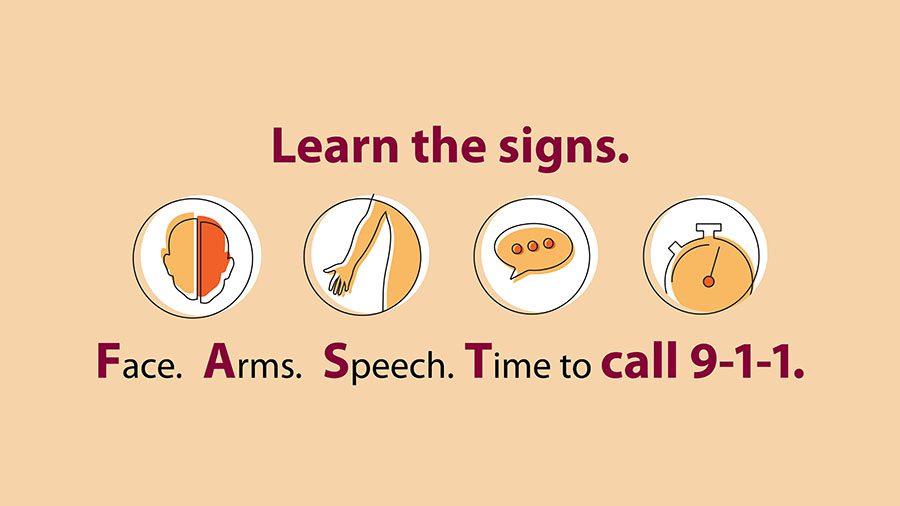
Signs of stroke:
- Sudden numbness or weakness in the face/arm/leg (especially on one side of the body);
- Sudden confusion, trouble speaking, or difficulty understanding speech;
- Loss of balance/lack of coordination;
- Severe headache with no known cause; and
- Visual field defects.
If someone has those symptoms, act F.A.S.T.
NIH stroke scale score (NIHSS score)
The National Institutes of Health Stroke Scale (NIHSS) is an assessment tool that objectively quantifies the impairment caused by a stroke by quantitatively measuring a stroke-related neurologic deficit. The NIHSS was initially designed as a research tool to measure patients' data in clinical trials, however, now we widely use the scale in the clinical setting.
Doctors use of NIH stroke scale score for the:
- Evaluation of acuity of stroke patients;
- Determination of appropriate treatment;
- Prediction of patient outcome;
- Evaluation and documentation of neurological status;
- Prediction of lesion size;
- Measurement of stroke severity;
- Prediction of both short and long term outcomes;
- Data collection tool for planning patient care; and
- Provision of a common language for information exchanges among healthcare providers.
NIH stroke scale calculator
The NIH stroke scale calculator consists of 15 items, which evaluate the effect of acute cerebral infarction on the levels of consciousness, language, neglect, visual-field loss, extraocular movement, motor strength, ataxia, dysarthria, and sensory impairment.
Each item contains three to five grades and can score from 00 to 44 points, where a score of 00 typically indicates normal function, while a higher score indicates some level of impairment. The assessment usually requires less than 10 minutes to complete.
How to use the NIH stroke scale calculator? It is straightforward as you only need to go through all the fields from the top to the bottom. As a result you'll obtain the NIHSS score together with an interpretation in the table at the very end.
Check the English version of NIH stroke scale (pdf format) for more details about NIHSS score. The website includes pictures, naming sheet and list of sentences that we use during the assessment.
NIH stroke scale score
To obtain the NIHSS score, we sum all individual scores. The maximum possible score is 42, and the minimum score equals 0.
The table below presents the interpretation of the results:
Score | Stroke severity |
|---|---|
0 | No stroke symptoms |
1-4 | Minor stroke |
5-15 | Moderate stroke |
16-20 | Moderate to severe stroke |
21-42 | Severe stroke |
FAQs
- What does the NIH Stroke Scale Calculator do?
- The NIH stroke scale calculator helps to objectively assess the impairment caused by a stroke. Use the calculator above for instant results in your browser.
- Is the NIH Stroke Scale Calculator free to use?
- Yes. All Try To Calculator tools are free and do not require an account.
- Are my inputs stored or sent to a server?
- No. Calculations run locally in your browser. We do not collect the numbers you enter or the results shown.
- Can I use the NIH Stroke Scale Calculator for professional decisions?
- This tool is for education and quick estimates. For medical, legal, tax, or financial decisions, verify results with a qualified professional.
- Where can I find related calculators?
- Browse more Health tools on Try To Calculator at /health, or use the related calculators section on this page.
Related calculators
Vaccine queue UK
The vaccine queue calculator for the UK estimates where you are in the queue to get your COVID vaccine based on your age, health, and job.
Health
Body shape
The body shape calculator determines your body type based on bust, waist, and hip measurements.
Health
Height
This height calculator predicts a child's adult height through two distinct methods: the Khamis-Roche formula and the Mid-Parental Height formula.
Health
BMR - Harris-Benedict equation
Harris-Benedict calculator uses one of the three most popular BMR formulas. Knowing your BMR (basal metabolic weight) may help you make important decisions abou
Health